
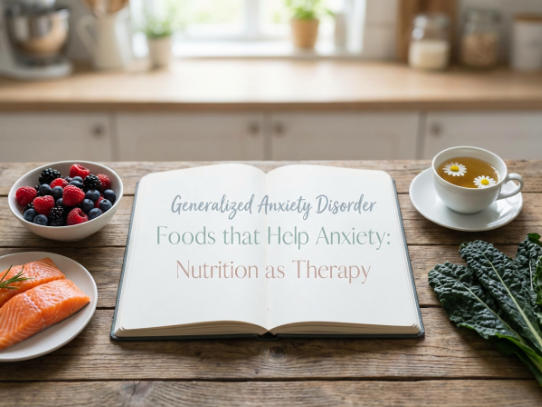
Anxiety is often treated as something that exists only in the mind—but science tells a different story. What you eat can directly influence how you feel. From gut health to brain chemistry, nutrition plays a powerful role in regulating mood and calming the nervous system.
For individuals dealing with generalized anxiety disorder (GAD), this connection becomes even more important. While therapy and medication remain key treatments, generalized anxiety disorder foods that help anxiety can act as a natural, supportive layer of healing.
In this guide, we’ll explore how food affects anxiety, which nutrients matter most, and how you can use nutrition as a practical tool to support emotional balance.
Understanding Generalized Anxiety Disorder and the Role of Food
Generalized anxiety disorder (GAD) is a mental health condition defined by persistent and excessive worry that is difficult to control. According to the American Psychological Association and DSM-5 criteria, GAD involves anxiety lasting at least six months and interfering with daily functioning.
People with GAD often experience:
- Constant worry about everyday situations
- Difficulty relaxing
- Overthinking and racing thoughts
- Physical symptoms like fatigue and muscle tension
What Is the Root Cause of Anxiety?
There is no single cause. Anxiety is typically influenced by multiple factors, including:
- Genetics and family history
- Trauma or chronic stress
- Neurotransmitter imbalances (such as serotonin and GABA)
- Disruptions in the gut-brain axis
The gut-brain connection is especially important. The digestive system produces a large portion of the body’s serotonin, meaning your diet directly impacts mood and emotional stability.
How Much Anxiety Is Normal?
Some level of anxiety is natural and even helpful—it keeps you alert and motivated. However, GAD goes beyond normal worry. It becomes excessive, persistent, and difficult to control, often affecting sleep, concentration, and daily life.
First Signs of Anxiety
Early symptoms often include:
- Restlessness or feeling “on edge”
- Muscle tension
- Fatigue
- Irritability
- Trouble sleeping
- Constant overthinking
This is where generalized anxiety disorder foods that help anxiety come into play. The right nutrients can stabilize blood sugar, support brain function, and reduce inflammation—helping to calm both body and mind.
Top Generalized Anxiety Disorder Foods that Help Anxiety
When it comes to managing anxiety through diet, the focus should be on nutrient-dense, whole foods that support brain health and regulate stress responses.
Fatty Fish: Omega-3 Power for the Brain
Fatty fish like salmon, mackerel, and sardines are rich in omega-3 fatty acids, which are known to reduce inflammation and lower cortisol levels. These fats support brain function and emotional regulation.
- Aim for 2–3 servings per week
- Helps reduce anxiety symptoms over time
Leafy Greens: Natural Magnesium Support
Foods like spinach and kale are high in magnesium, a mineral that plays a key role in calming the nervous system. Low magnesium levels are often linked to increased anxiety.
- Supports relaxation and muscle function
- May reduce GAD symptoms by improving stress response
Fermented Foods: Healing the Gut-Brain Axis
Yogurt, kimchi, kefir, and sauerkraut contain probiotics that improve gut health. Since the gut and brain are closely connected, a healthier microbiome can significantly reduce anxiety levels.
- Supports serotonin production
- Improves emotional resilience
Berries and Nuts: Antioxidant Protection
Berries (like blueberries and strawberries) and nuts (like almonds and walnuts) are rich in antioxidants. These compounds help reduce oxidative stress, which is linked to anxiety and mood disorders.
Dark chocolate (70% cocoa or higher) can also help boost serotonin levels when consumed in moderation.
Whole Grains and Legumes: Stable Energy and Mood
Complex carbohydrates found in oats, brown rice, and lentils help regulate blood sugar levels. Stable blood sugar prevents mood swings and irritability.
- Supports steady serotonin release
- Reduces energy crashes that trigger anxiety
Herbal Teas: Gentle Nervous System Support
Chamomile and green tea are well-known for their calming effects. Green tea contains L-theanine, an amino acid that promotes relaxation without drowsiness.
- Ideal replacement for caffeine
- Supports calm focus and mental clarity
Vitamins and Supplements: Natural Calmers for GAD
While whole foods should be the foundation, certain vitamins and supplements can enhance the benefits of generalized anxiety disorder foods that help anxiety.
Key Vitamins for Anxiety
- B Vitamins (B6, B12, Folate) support neurotransmitter production
- Vitamin D plays a major role in mood regulation
Some individuals with vitamin D deficiency report significant improvements in anxiety symptoms after supplementation. For example, a daily dose of around 2,000 IU has been shown to improve mood in deficient individuals.
Magnesium and Omega-3s
Magnesium glycinate (300–400 mg daily) is often used to reduce muscle tension and calm the nervous system. Omega-3 supplements (1–2 grams of EPA/DHA) provide anti-inflammatory benefits for brain health.
Important Note
Always consult a healthcare professional before starting supplements. These work best when combined with a balanced diet and therapy.
Home Treatments: Diet and Lifestyle for Anxiety Relief
Managing anxiety at home involves more than just food—it’s about creating a supportive daily routine.
Balanced Eating Patterns
Eating every 3–4 hours helps prevent blood sugar crashes, which can trigger anxiety symptoms. Skipping meals or relying on processed foods often worsens mood instability.
The #1 Worst Habit for Anxiety
Excess caffeine is one of the biggest contributors to anxiety. Consuming more than 200 mg per day can:
- Increase heart rate
- Spike cortisol levels
- Trigger restlessness
Replacing coffee with herbal teas can make a noticeable difference.
Simple Daily Ritual
A nutrient-rich smoothie can support both physical and mental health. For example:
- Spinach
- Berries
- Yogurt
- Nuts
This combination provides magnesium, antioxidants, and probiotics in one easy meal.
Mindful Eating Practices
Practicing deep breathing before meals, such as the 4-7-8 technique, can activate the body’s relaxation response and improve digestion.
Healing Your Nervous System from Anxiety with Food
To truly support long-term recovery, it’s important to focus on anti-inflammatory and nervous system-friendly foods.
Key Foods for Nervous System Healing
- Turmeric (contains curcumin, a powerful anti-inflammatory compound)
- Avocados (rich in healthy fats)
- Bone broth (contains glycine, which supports relaxation)
These foods help regulate stress hormones and improve brain function.
The Gut-Brain Connection
Probiotic-rich foods play a role in stimulating the vagus nerve, which helps regulate the body’s stress response. A healthy gut leads to a calmer mind.
Sample Daily Meal Structure
- Breakfast: Oats with nuts and berries
- Lunch: Salmon salad with leafy greens
- Dinner: Stir-fried vegetables with whole grains
Tracking Your Progress
Keeping a simple journal of meals and mood can help identify which foods that help anxiety in generalized anxiety disorder work best for you.
Evidence, Expert Tips, and When to Seek Help
Research strongly supports the role of nutrition in managing anxiety. Studies from leading institutions show that diets rich in whole foods, such as the Mediterranean diet, can reduce anxiety symptoms by up to 30%.
Omega-3 fatty acids, in particular, have been shown to produce results comparable to some medications in mild cases.
Therapist Perspective
Mental health professionals often recommend combining generalized anxiety disorder foods that help anxiety with therapies like CBT. This integrated approach can improve outcomes by up to 70%.
When to Seek Professional Help
While diet can make a significant difference, it is not a replacement for medical care. Seek professional support if:
- Anxiety persists for months
- Symptoms interfere with daily life
- Panic or depressive symptoms increase
Personalized Approaches
Different individuals may benefit from tailored dietary strategies:
- Women may need more iron-rich foods
- Children respond well to nutrient-rich smoothies
- Vegans can use algae-based omega-3 supplements
Conclusion: Empower Your Plate Against GAD
Generalized anxiety disorder is complex, but it is also manageable with the right tools. Nutrition offers a powerful, accessible way to support mental health alongside therapy and lifestyle changes.
From omega-3-rich fish to magnesium-packed greens, generalized anxiety disorder foods that help anxiety can stabilize mood, reduce stress, and support overall well-being.
You don’t need to overhaul your diet overnight. Start with one simple change—swap processed snacks for whole foods, replace caffeine with herbal tea, or add more greens to your meals.
Take the First Step Toward Calmer Living
If anxiety is affecting your daily life, combining nutrition with the right support can make a meaningful difference.
You don’t have to manage it alone. Platforms like SafeSpace provide accessible, personalized mental health support to help you understand your anxiety and build healthier patterns.
👉 Visit: https://safespacews.com/
Small changes—both in your diet and your mindset—can lead to powerful, lasting results.