
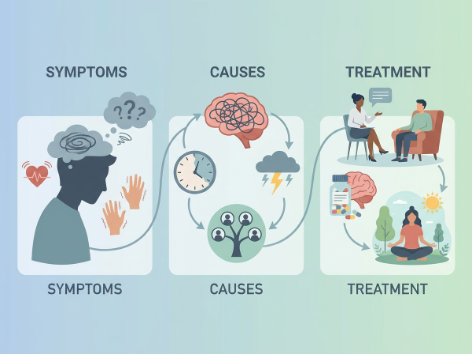
Anxiety is a normal part of life. Most of us worry about work, relationships, health, finances, or important decisions from time to time. But when worry becomes constant, overwhelming, and difficult to control—even when there is little or no reason for concern—it may be a sign of Generalized Anxiety Disorder (GAD).
Living with persistent anxiety can feel exhausting. Your mind may constantly jump from one worry to another, making it hard to relax, focus, or enjoy everyday life. The good news is that help is available, and recovery is possible.
At Safe Space Wellness, we believe understanding mental health is one of the first steps toward healing. In this guide, we’ll explore generalized anxiety disorder, including its symptoms, causes, diagnosis, treatment options, and practical ways to manage anxiety in everyday life.
What Is Generalized Anxiety Disorder (GAD)?
Generalized Anxiety Disorder (GAD) is a mental health condition characterized by persistent, excessive, and difficult-to-control worry about everyday situations.
People with GAD often worry about multiple things at once, including:
- Health concerns
- Work or school performance
- Family issues
- Finances
- Relationships
- Future events
- Personal safety
Unlike temporary anxiety, generalized anxiety disorder causes worry that feels ongoing and disproportionate to the actual situation.
For someone with GAD, anxious thoughts can feel impossible to switch off. Even when one concern is resolved, another worry often quickly takes its place.
Key Takeaways
- Generalized Anxiety Disorder causes excessive and persistent worry about everyday life.
- Anxiety may interfere with work, relationships, sleep, and overall well-being.
- Symptoms often include restlessness, overthinking, muscle tension, fatigue, and difficulty concentrating.
- Genetics, brain chemistry, personality traits, and stressful experiences may contribute to GAD.
- Treatment options such as therapy, medication, and lifestyle changes can significantly improve symptoms.
Generalized Anxiety Disorder vs. Normal Anxiety
Everyone experiences anxiety sometimes. Feeling nervous before an exam, job interview, or major life event is completely normal.
However, GAD is different.
Normal Anxiety
Normal anxiety usually:
- Happens during stressful situations
- Is temporary
- Goes away after the event passes
- Does not significantly interfere with daily life
Generalized Anxiety Disorder
With GAD:
- Worry feels excessive or uncontrollable
- Anxiety happens frequently or daily
- Stress feels constant, even without a clear reason
- It becomes difficult to relax or “turn off” anxious thoughts
- Daily functioning may be affected
The biggest difference is the intensity, duration, and impact anxiety has on everyday life.
Common Symptoms of Generalized Anxiety Disorder
Generalized anxiety disorder affects both the mind and body. Symptoms can vary from person to person.
Emotional and Mental Symptoms
People with GAD may experience:
- Constant overthinking
- Persistent worry or fear
- Feeling overwhelmed
- Trouble relaxing
- Difficulty handling uncertainty
- Feeling restless or “on edge”
- Irritability or frustration
- Expecting the worst-case scenario
Some people describe it as feeling like their brain is always “stuck in worry mode.”
Physical Symptoms of Anxiety
Anxiety also affects the body.
Physical symptoms may include:
- Muscle tension or body aches
- Fatigue or low energy
- Headaches
- Racing heartbeat or palpitations
- Sweating
- Trembling or shakiness
- Nausea or upset stomach
- Digestive problems
- Trouble sleeping
These physical symptoms can sometimes feel frightening and may even mimic medical conditions.
What Causes Generalized Anxiety Disorder?
There is no single cause of GAD. Instead, it often develops because of a combination of biological, psychological, and environmental factors.
Genetics and Family History
Anxiety disorders often run in families.
If a close family member experiences anxiety, depression, or related mental health conditions, your risk may be higher.
However, genetics alone do not determine whether someone will develop GAD.
Brain Chemistry and Biological Factors
The brain relies on chemicals called neurotransmitters to regulate mood and emotions.
Imbalances involving serotonin, dopamine, and other neurotransmitters may contribute to anxiety symptoms.
Certain brain regions involved in fear and emotional regulation may also function differently in individuals with GAD.
Personality and Temperament
Some personality traits can increase anxiety risk.
People who are naturally:
- Highly sensitive
- Perfectionistic
- Overly self-critical
- Cautious or fearful of uncertainty
may be more vulnerable to generalized anxiety disorder.
Stressful Life Events
Chronic stress or traumatic experiences can contribute to anxiety.
Common triggers include:
- Relationship difficulties
- Financial stress
- Workplace pressure
- Academic stress
- Major life transitions
- Illness or health concerns
- Family conflict or loss
For some people, anxiety develops gradually over time.
Risk Factors for GAD
Several factors may increase the likelihood of developing generalized anxiety disorder.
These include:
| Risk Factor | Possible Impact |
| Family history of anxiety | Increased vulnerability |
| Chronic stress | Higher emotional overwhelm |
| Trauma or loss | Greater emotional sensitivity |
| Perfectionism | Increased worry and self-pressure |
| Existing mental health conditions | Increased risk of anxiety symptoms |
Understanding risk factors can help individuals recognize when it may be time to seek support.
How Generalized Anxiety Disorder Affects Daily Life
Living with chronic anxiety can affect nearly every area of life.
Work and Academic Challenges
Persistent worry can make concentration difficult.
People with GAD may struggle with:
- Decision-making
- Productivity
- Fear of failure
- Perfectionism
- Over-preparing or procrastination
Even small tasks may feel mentally exhausting.
Relationships and Social Life
Anxiety can impact communication and emotional connection.
Someone with GAD may:
- Seek frequent reassurance
- Overthink conversations
- Fear disappointing others
- Avoid difficult situations
Loved ones may not always understand the emotional burden anxiety creates.
Physical and Emotional Well-Being
Long-term anxiety can leave people feeling mentally and physically drained.
Without treatment, chronic anxiety may contribute to:
- Sleep issues
- Burnout
- Low self-esteem
- Depression
- Social withdrawal
How Is Generalized Anxiety Disorder Diagnosed?
Generalized anxiety disorder is diagnosed by a licensed mental health professional or healthcare provider.
During an evaluation, they may ask about:
- Symptoms and duration
- Stress levels
- Family history
- Daily functioning
- Sleep and physical symptoms
Typically, GAD involves excessive worry occurring more days than not for at least six months, along with physical or emotional symptoms.
A proper diagnosis helps rule out other medical or mental health conditions.
Treatment Options for Generalized Anxiety Disorder
The good news is that generalized anxiety disorder is highly treatable.
Most people improve with the right combination of support and treatment.
Cognitive Behavioral Therapy (CBT)
Cognitive Behavioral Therapy (CBT) is one of the most effective treatments for GAD.
CBT helps people:
- Recognize anxious thought patterns
- Challenge irrational fears
- Build healthier coping strategies
- Reduce overthinking
- Improve emotional resilience
Therapy creates practical tools for managing anxiety in daily life.
Medication for Anxiety
In some cases, medication may help reduce symptoms.
Healthcare providers may recommend:
- Selective Serotonin Reuptake Inhibitors (SSRIs)
- Anti-anxiety medications when appropriate
Medication is often most effective when combined with therapy.
Lifestyle Changes and Self-Care
Healthy habits can also support anxiety management.
Helpful strategies include:
- Regular exercise
- Mindfulness and meditation
- Better sleep routines
- Limiting caffeine intake
- Journaling thoughts and worries
- Practicing deep breathing techniques
Small, consistent changes often create meaningful progress over time.
Practical Ways to Manage Anxiety Daily
While treatment is important, everyday coping tools can also help.
Try these strategies:
Practice Grounding Techniques
Grounding exercises help bring attention back to the present moment.
For example:
- Name five things you can see
- Focus on slow breathing
- Notice physical sensations around you
Limit Catastrophic Thinking
Ask yourself:
“What evidence supports this fear?”
Sometimes anxiety convinces us the worst outcome is inevitable—even when it is unlikely.
Create a Routine
Predictable daily habits can reduce feelings of uncertainty and stress.
Simple routines around sleep, meals, and work can create emotional stability.
Long-Term Outlook for GAD
Generalized anxiety disorder can feel overwhelming, but improvement is possible.
With professional support, coping skills, and the right treatment approach, many people learn to manage anxiety effectively and lead fulfilling lives.
Healing does not mean never feeling anxious again. Instead, it means learning how to respond to anxiety in healthier, more manageable ways.
You do not have to face anxiety alone.
Why Choose Safe Space Wellness?
At Safe Space Wellness, we understand that anxiety can affect every part of life—from relationships and work to sleep and emotional well-being.
Our goal is to create a supportive, compassionate space where individuals can better understand their mental health and access trusted wellness resources. We believe healing begins with feeling informed, supported, and understood.
Whether you are navigating chronic worry, panic, emotional overwhelm, or everyday stress, Safe Space Wellness is here to provide guidance, education, and encouragement on your mental wellness journey.
Frequently Asked Questions
What is generalized anxiety disorder?
Generalized Anxiety Disorder (GAD) is a mental health condition involving excessive and ongoing worry about daily life situations. The anxiety often feels difficult to control and may interfere with normal functioning.
What are the common symptoms of generalized anxiety disorder?
Symptoms often include:
- Constant worry
- Restlessness
- Fatigue
- Muscle tension
- Difficulty concentrating
- Trouble sleeping
- Irritability
- Feeling on edge
What are the 5 symptoms of generalized anxiety disorder?
While symptoms vary from person to person, five common symptoms of generalized anxiety disorder (GAD) include:
- Excessive or uncontrollable worrying
- Restlessness or feeling constantly on edge
- Fatigue or feeling mentally drained
- Trouble concentrating or racing thoughts
- Difficulty sleeping or poor sleep quality
Many people also experience physical symptoms such as headaches, muscle tension, nausea, or a racing heartbeat.
What does it feel like to have generalized anxiety disorder?
Living with generalized anxiety disorder can feel like your mind is constantly stuck in “what if” mode. People with GAD often describe feeling overwhelmed by nonstop worries, even when there is no obvious reason for concern.
You may feel tense, restless, or unable to relax. Everyday situations—such as work, health, family responsibilities, or future plans—can feel emotionally exhausting. Many people also struggle with overthinking and expecting the worst-case scenario.
What is the 3-3-3 rule for anxiety?
The 3-3-3 rule is a simple grounding technique that may help calm anxiety in the moment.
When feeling anxious:
- Name 3 things you can see
- Identify 3 sounds you can hear
- Move 3 parts of your body (such as your fingers, shoulders, or feet)
This technique helps redirect focus away from anxious thoughts and back to the present moment. While it may not stop anxiety completely, it can help reduce emotional overwhelm.
How do you treat generalized anxiety disorder?
Generalized anxiety disorder is treatable, and many people experience significant improvement with the right support.
Treatment options often include:
- Cognitive Behavioral Therapy (CBT): Helps identify and challenge anxious thought patterns
- Medication: Such as SSRIs, when recommended by a healthcare provider
- Lifestyle changes: Including exercise, sleep improvement, mindfulness, and stress management
- Relaxation techniques: Deep breathing, meditation, and grounding exercises
The most effective treatment often combines professional support with healthy coping strategies.
Can generalized anxiety disorder go away on its own?
For some people, symptoms may improve temporarily, but untreated anxiety often continues or worsens over time. Professional support can help improve long-term outcomes.
What is the best treatment for GAD?
Cognitive Behavioral Therapy (CBT) is one of the most effective treatments. Some people also benefit from medication, mindfulness, and lifestyle changes.
When should I seek help for anxiety?
If anxiety feels overwhelming, interferes with daily life, affects sleep, relationships, or concentration, it may be time to seek support from a mental health professional