
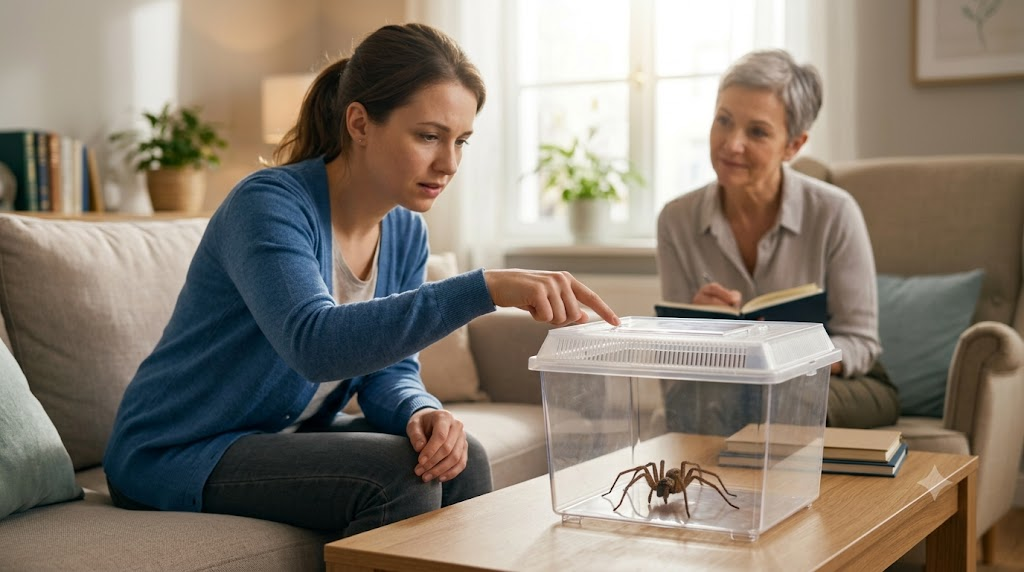
Fear is a natural part of being human. It helps protect us from genuine danger and encourages us to stay safe. However, when fear becomes overwhelming, persistent, and irrational, it can develop into a phobia that interferes with everyday life. Whether it’s the fear of heights, spiders, germs, social situations, or even clusters of holes, phobias can prevent people from enjoying experiences, pursuing opportunities, and maintaining healthy relationships.
Fortunately, phobias are highly treatable. One of the most effective and research-backed approaches is exposure therapy for phobias. This therapeutic method gradually helps individuals confront feared situations in a safe, structured environment until the fear loses its power.
In this guide, we’ll explain what exposure therapy is, how it works, the different techniques used, the conditions it treats, and what you can expect during treatment.
What Is Exposure Therapy?
Many people ask, “What’s exposure therapy?”
Exposure therapy is a psychological treatment designed to help individuals gradually confront situations, objects, memories, or sensations they fear instead of avoiding them. Avoidance may provide temporary relief, but it reinforces fear over time, making phobias even stronger.
The therapy where you face your fears works by exposing you to your fear in a controlled and supportive manner. Over repeated exposures, your brain learns that the feared object or situation is less dangerous than it initially believed. This process reduces anxiety and increases confidence in handling similar situations in daily life.
Exposure therapy is considered one of the gold-standard treatments for many anxiety-related conditions because it addresses the root cause rather than simply managing symptoms.
How Does Exposure Therapy Work?
The brain learns through experience. If someone consistently avoids something they fear, their brain never gets the chance to discover that the situation may actually be safe.
Exposure therapy target fear exposure by breaking this cycle of avoidance.
The treatment follows a gradual process:
- Identify the specific fear.
- Understand how the fear affects daily life.
- Develop an exposure hierarchy from least frightening to most frightening situations.
- Begin with manageable exposure exercises.
- Repeat exposures until anxiety naturally decreases.
- Progress toward more challenging situations.
Over time, repeated exposure helps reduce the brain’s fear response through a process called habituation. Instead of feeling overwhelmed, individuals become more comfortable and confident facing situations they once avoided.
Is Exposure Therapy a Type of CBT?
One of the most common questions is, “Is exposure therapy a type of CBT?”
Yes. Exposure therapy is considered one of the most effective techniques used within Cognitive Behavioral Therapy (CBT).
While CBT helps people identify and change unhelpful thoughts, beliefs, and behaviors, exposure therapy focuses specifically on reducing avoidance by safely confronting feared situations.
Many therapists combine both approaches because changing thoughts while practicing real-life exposure often leads to stronger, longer-lasting results.
For many individuals, CBT for phobias provides an excellent foundation for overcoming persistent fears and anxiety disorders.
Why Avoidance Makes Phobias Worse
Avoidance feels helpful in the moment.
If someone fears elevators, avoiding elevators immediately reduces anxiety. However, the brain interprets this as proof that elevators are dangerous.
Over weeks, months, or years:
- Fear becomes stronger.
- Confidence decreases.
- More situations become associated with danger.
- Daily functioning becomes increasingly limited.
Exposure therapy interrupts this cycle by helping individuals safely experience feared situations until their anxiety naturally declines.
Types of Exposure Therapy
Not every phobia requires the same treatment approach. Mental health professionals tailor therapy to each individual’s needs.
1. Gradual Exposure Therapy
Gradual exposure therapy is the most common method.
Instead of immediately facing the biggest fear, individuals move step by step through increasingly challenging situations.
For example, someone afraid of dogs might:
- Look at pictures of dogs.
- Watch videos.
- Observe a dog from a distance.
- Stand near a calm dog.
- Pet the dog.
- Walk alongside the dog.
This gradual process builds confidence while minimizing overwhelming anxiety.
2. Imaginal Exposure
Sometimes the feared situation cannot easily be recreated.
In these cases, therapists guide individuals to vividly imagine the feared situation until anxiety decreases.
This method is commonly used for trauma-related fears and certain anxiety disorders.
3. In Vivo Exposure
“In vivo” means real-life exposure.
The person directly encounters the feared object or situation in a safe environment.
Examples include:
- Riding elevators
- Flying on airplanes
- Speaking in public
- Driving on highways
- Visiting crowded places
Real-life exposure often produces the strongest improvements because it directly challenges avoidance behaviors.
4. Interoceptive Exposure
Some people fear physical sensations rather than external situations.
Therapists intentionally recreate harmless sensations like:
- Increased heart rate
- Dizziness
- Rapid breathing
- Sweating
This approach is particularly helpful for panic disorder and health-related anxiety.
Conditions Treated with Exposure Therapy
Exposure therapy is effective for numerous mental health conditions.
Specific Phobias
These include fears of:
- Heights
- Flying
- Needles
- Blood
- Animals
- Storms
- Water
- Enclosed spaces
Many people notice significant improvements after several structured sessions.
Exposure Therapy for Anxiety Disorders
Research consistently supports exposure therapy for anxiety disorders, including:
- Panic disorder
- Generalized anxiety
- Obsessive-compulsive disorder (OCD)
- Social anxiety disorder
- Post-traumatic stress disorder (PTSD)
Because avoidance plays a major role in anxiety disorders, exposure therapy helps reduce fear while building resilience.
Exposure Therapy Social Phobia
People with social anxiety often worry about embarrassment, criticism, or rejection.
Exposure therapy social phobia treatment may include:
- Starting conversations
- Ordering food
- Making phone calls
- Speaking during meetings
- Giving presentations
- Attending social gatherings
These exercises gradually increase confidence and reduce fear of negative judgment.
Exposure Therapy for Germaphobia
Individuals with contamination fears often engage in excessive handwashing or avoid touching public surfaces.
Exposure therapy for germaphobia may involve:
- Touching door handles
- Using public transportation
- Shaking hands
- Delaying handwashing
- Handling everyday objects
Therapy helps reduce compulsive behaviors while increasing tolerance for uncertainty.
Exposure Therapy for Trypophobia
Some people experience intense discomfort or fear when viewing clusters of small holes or repetitive patterns.
Although research is still evolving, exposure therapy for trypophobia can help individuals gradually reduce distress through carefully controlled exposure exercises.
A therapist may begin with mildly triggering images before progressing to more challenging visual patterns.
Common Exposure Therapy Techniques
Mental health professionals use several evidence-based exposure therapy techniques depending on the person’s symptoms.
These include:
Fear Hierarchy
A ranked list of feared situations from least stressful to most stressful.
Repeated Practice
Repeated exposure helps retrain the brain and reduces anxiety over time.
Response Prevention
Individuals resist avoidance behaviors or compulsions during exposure.
Cognitive Restructuring
Therapists help clients challenge unrealistic beliefs while completing exposure exercises.
Relaxation and Mindfulness
Breathing exercises, grounding techniques, and mindfulness help individuals stay present during exposure.
What Is the Worry Exposure Process?
Many individuals with generalized anxiety ask, “What is the worry exposure process?”
Unlike specific phobias involving physical objects, generalized anxiety often centers on persistent worrying about future events.
Worry exposure encourages individuals to intentionally confront feared thoughts instead of constantly trying to suppress or avoid them.
Examples include:
- Writing down feared outcomes.
- Reading worry scripts repeatedly.
- Sitting with uncertainty.
- Allowing anxious thoughts without seeking reassurance.
Over time, the brain learns that uncertainty can be tolerated without constant worry.
What Happens During an Exposure Therapy Session?
Although every therapist works differently, treatment often follows a structured process.
Assessment
Your therapist learns about your fears, symptoms, triggers, and goals.
Planning
Together, you create a personalized exposure hierarchy.
Practice
You begin exposure exercises at a manageable level while your therapist provides guidance and encouragement.
Reflection
After each exercise, you discuss what happened, what you learned, and how your anxiety changed.
Homework
Between sessions, you practice similar exposures independently to reinforce progress.
Is Exposure Therapy Effective?
Extensive psychological research shows that exposure therapy is among the most effective treatments for phobias and anxiety disorders.
Many individuals experience:
- Reduced fear intensity
- Greater confidence
- Improved daily functioning
- Less avoidance
- Better emotional regulation
- Increased independence
Success depends on consistency, willingness to practice, and working with a qualified mental health professional.
Is Exposure Therapy Safe?
Yes—when conducted by a trained therapist.
Exposure therapy is never about forcing someone into terrifying situations. Instead, treatment progresses gradually, respecting the individual’s comfort level while gently encouraging growth.
Temporary increases in anxiety are expected, but these moments become valuable learning experiences that help reduce fear over time.
Tips for Getting the Most Out of Exposure Therapy
If you’re considering therapy for phobias, these strategies can improve your experience:
- Be honest about your fears.
- Move at a pace that feels challenging but manageable.
- Complete homework assignments consistently.
- Celebrate small successes.
- Trust the therapeutic process.
- Remember that temporary discomfort leads to long-term improvement.
Progress is rarely perfectly linear, but persistence often leads to lasting change.
When Should You Seek Professional Help?
Everyone experiences fear occasionally, but professional support may be beneficial if your fear:
- Causes you to avoid serious situations.
- Interferes with work, school, or relationships.
- Triggers panic attacks.
- Leads to compulsive behaviors.
- Has persisted for six months or longer.
- Prevents you from living the life you want.
Seeking therapy is a proactive step toward improving your mental health—not a sign of weakness.
Why Choose Safe Space Wellness?
At Safe Space Wellness, we understand that living with a phobia can feel isolating and exhausting. Avoiding feared situations may seem like the easiest solution, but lasting relief comes from addressing fear with compassion, evidence-based care, and professional guidance.
Our licensed therapists create individualized treatment plans tailored to your unique experiences, goals, and comfort level. Whether you’re struggling with social anxiety, contamination fears, specific phobias, or other anxiety-related challenges, we provide a supportive environment where healing happens at your own pace.
Our approach combines proven therapies, including Cognitive Behavioral Therapy (CBT), gradual exposure therapy, mindfulness strategies, and practical coping skills to help you build confidence and regain control over your life. Every step of the journey is guided with empathy, respect, and a commitment to your emotional well-being.
If fear has been limiting your opportunities, relationships, or quality of life, you don’t have to face it alone. Safe Space Wellness is here to help you move beyond avoidance, develop lasting resilience, and create a future where anxiety no longer defines your choices.
Final Thoughts
Phobias can feel overwhelming, but they don’t have to control your life forever. Exposure therapy is one of the most effective treatments available for reducing fear, overcoming avoidance, and helping individuals reclaim their independence.
Whether you’re dealing with a fear of social situations, germs, heights, flying, or another specific phobia, gradual, evidence-based treatment can make a meaningful difference. With the support of a qualified therapist and a willingness to face fear one step at a time, lasting recovery is possible.
Every small step toward facing your fears is also a step toward greater freedom, confidence, and peace of mind.
Frequently Asked Questions
What is the best therapy for phobias?
The most effective treatment for most phobias is Cognitive Behavioral Therapy (CBT) with exposure therapy. CBT helps individuals identify and change unhelpful thought patterns, while exposure therapy gradually reduces fear by safely confronting the feared object or situation. Depending on the type and severity of the phobia, a therapist may also incorporate relaxation techniques, mindfulness, or acceptance-based strategies to support long-term recovery.
What are the 5 types of exposure?
Mental health professionals use several forms of exposure therapy based on the individual’s needs. The five commonly recognized types include:
- In Vivo Exposure: Facing the feared object or situation in real life.
- Imaginal Exposure: Visualizing or describing the feared situation when real-life exposure is not practical.
- Interoceptive Exposure: Intentionally experiencing harmless physical sensations, such as a racing heart or dizziness, to reduce fear of those sensations.
- Virtual Reality Exposure: Using virtual reality technology to safely simulate feared environments, such as flying or public speaking.
- Graded (Gradual) Exposure: Progressively working through a hierarchy of feared situations, starting with the least anxiety-provoking and advancing at a comfortable pace.
A licensed therapist will determine the most appropriate approach based on your symptoms, goals, and comfort level.
When does a fear become a phobia?
A fear becomes a phobia when it is persistent, excessive, and out of proportion to the actual danger posed by the object or situation. A phobia often leads to significant distress, causes a person to avoid certain activities or places, and interferes with daily life, work, school, or relationships. If these symptoms continue for six months or longer, it may be beneficial to seek an evaluation from a mental health professional.
How do I do exposure therapy myself?
Some people can practice basic exposure exercises independently by creating a list of feared situations and gradually working through them, beginning with the least distressing. During each exercise, remain in the situation until your anxiety begins to decrease rather than leaving immediately.
However, self-guided exposure therapy is generally best suited for mild fears. If you experience severe anxiety, panic attacks, obsessive-compulsive disorder (OCD), post-traumatic stress disorder (PTSD), or a complex phobia, it is strongly recommended to work with a licensed therapist. Professional guidance helps ensure the exposure process is safe, personalized, and effective while reducing the risk of becoming overwhelmed.