
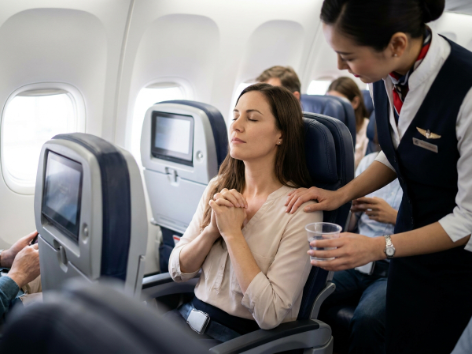
Flying can be exciting for some people and stressful for others. But for individuals who experience anxiety or panic attacks, boarding a plane can feel overwhelming. The enclosed environment, unfamiliar sensations, fear of losing control, turbulence, or simply feeling “stuck” can trigger intense fear and physical symptoms.
If you’ve ever had a panic attack on a plane, you are not alone. Panic attacks during flights are more common than many people realize, especially among those who already struggle with anxiety, fear of flying, or panic disorder.
The good news is this: while panic attacks can feel frightening, they are temporary, manageable, and treatable. Understanding what is happening in your body and learning practical coping techniques can make flying feel much safer and less overwhelming.
At Safe Space Wellness, we believe that knowledge and preparation can make a meaningful difference in managing anxiety. This guide explores panic attacks during flights from every angle—why they happen, what symptoms to expect, how to calm yourself in the moment, and ways to reduce future flight anxiety.
Key Takeaways
- Panic attacks on planes are common and often triggered by anxiety, fear, or feeling trapped.
- Symptoms may include a racing heart, dizziness, sweating, chest tightness, or fear of losing control.
- Panic attacks are uncomfortable but not dangerous.
- Practical techniques such as breathing exercises, grounding, and reframing anxious thoughts can help reduce symptoms.
- Fear of flying (aviophobia) may contribute to panic attacks during travel.
- Professional support can help reduce anxiety and improve confidence while flying.
What Happens During a Panic Attack on a Plane?
A panic attack occurs when your body’s fight-or-flight response becomes activated, even when there is no immediate danger.
This response is designed to protect you in threatening situations. If you were facing a real emergency, your body would naturally increase alertness, breathing, and heart rate to help you survive.
However, during a panic attack, the brain mistakenly interprets a situation as dangerous—even when it is safe.
On a plane, common triggers may include:
- Feeling trapped or unable to leave
- Fear of turbulence or crashing
- Fear of losing control in public
- Claustrophobia
- Physical sensations associated with takeoff
- Worry about having anxiety itself
Once anxiety rises, the body responds quickly, creating physical symptoms that can feel alarming.
The important thing to remember is this: a panic attack feels dangerous, but it is not physically harmful.
Common Symptoms of a Panic Attack While Flying
Panic attacks can feel intense and frightening, especially when you are thousands of feet in the air.
Common symptoms include:
- Rapid heartbeat or pounding chest
- Shortness of breath
- Dizziness or lightheadedness
- Sweating or chills
- Shaking or trembling
- Chest tightness
- Tingling sensations
- Nausea or stomach discomfort
- Feeling disconnected or unreal
- Fear of passing out
- Fear of losing control
- Fear of dying or having a medical emergency
These symptoms can feel extremely convincing, which often makes panic worse.
However, most panic symptoms are caused by heightened adrenaline and temporary nervous system activation.
Why Do Panic Attacks Happen on Planes?
There is no single reason why someone experiences panic while flying. Often, several emotional and physical factors combine.
Feeling Trapped
One of the most common triggers is feeling unable to leave.
Once a plane takes off, getting off is no longer an option. This lack of perceived control may trigger anxiety for some individuals.
Fear of Flying (Aerophobia)
Some people experience aviophobia, also known as the fear of flying.
This may involve fears such as:
- Plane crashes
- Turbulence
- Mechanical problems
- Heights
- Lack of control
Even though air travel is statistically very safe, anxiety often responds to emotion rather than logic.
Existing Anxiety or Panic Disorder
People who already experience panic attacks may become anxious about having one during a flight.
Ironically, worrying about panic can sometimes trigger panic itself.
Claustrophobia and Sensory Overload
Tight seating, crowded cabins, unfamiliar noises, and long travel times may increase discomfort and stress levels.
How to Stay Calm During a Panic Attack on a Plane
If you are experiencing a panic attack while flying, there are practical steps that can help calm your nervous system.
Step 1: Remind Yourself That Panic Is Temporary
The first thing to remember is this:
Panic attacks always pass.
Your nervous system cannot remain in a heightened panic state forever. Eventually, your body naturally calms itself.
Even if symptoms feel intense, they will peak and gradually decrease.
Try reminding yourself:
“This feels scary, but I am safe. This feeling will pass.”
Changing your internal dialogue can reduce fear.
Step 2: Slow Your Breathing
During panic, breathing often becomes fast and shallow.
This can increase dizziness and physical discomfort.
Try a slow breathing pattern:
- Inhale slowly through your nose for 4 seconds
- Hold for 2 seconds
- Exhale gently for 6 seconds
Repeat for several minutes.
The goal is not perfect breathing—it is helping your nervous system feel safer.
Step 3: Ground Yourself in the Present Moment
Grounding techniques help redirect attention away from panic.
Try the 5-4-3-2-1 grounding method:
Identify:
- 5 things you can see
- 4 things you can touch
- 3 things you can hear
- 2 things you can smell
- 1 thing you can taste
This helps anchor your mind in the present rather than fearful thoughts.
Step 4: Challenge Catastrophic Thinking
Panic often creates worst-case scenarios.
Ask yourself:
- What evidence supports my fear?
- Have I felt this before and gotten through it?
- Am I reacting to danger or anxiety?
For example, turbulence often feels scary, but it is a normal part of flying, and planes are designed to handle it.
Replacing catastrophic thoughts with realistic ones can reduce emotional intensity.
Step 5: Avoid Fighting the Panic
Trying to completely force panic away often increases it.
Instead of resisting symptoms, try acknowledging them:
“I feel anxious right now, and that’s okay.”
Accepting discomfort can reduce the emotional struggle that fuels panic.
How to Prepare Before a Flight If Flying Makes You Anxious
Preparation can significantly lower anxiety before travel.
Reduce Caffeine
Too much caffeine can increase physical symptoms similar to anxiety, including racing heart and jitteriness.
If you are prone to panic, limiting coffee or energy drinks before a flight may help.
Prioritize Sleep
Poor sleep often increases emotional sensitivity and stress.
Try to rest well before travel.
Arrive Early
Rushing through airports can raise stress levels.
Giving yourself extra time may help you feel calmer.
Download Comforting Distractions
Bring:
- Calming music
- Meditation apps
- Podcasts
- Movies or books
Distraction can help redirect attention during stressful moments.
Choose Comfortable Seating
Some travelers feel more comfortable choosing aisle seats, where movement feels easier and less confined.
Can Medication Help Flight Anxiety?
For some individuals, healthcare professionals may recommend medication to manage severe flight anxiety.
Certain short-term anti-anxiety medications may reduce symptoms.
However:
- Medication should always be discussed with a licensed healthcare provider.
- Avoid mixing anxiety medication with alcohol.
- Medication works best alongside long-term coping strategies.
Therapy often provides more lasting relief than relying only on medication.
Long-Term Strategies to Reduce Fear of Flying
If flying consistently causes panic, long-term support may help.
Cognitive Behavioral Therapy (CBT)
CBT helps people understand anxious thought patterns and build healthier coping strategies.
Exposure Therapy
Gradual exposure can help reduce fear over time.
This may involve:
- Watching flight videos
- Visiting airports
- Taking shorter flights first
Over time, repeated exposure can help the brain feel safer.
Mindfulness and Stress Management
Practices such as meditation, breathing exercises, and journaling can improve emotional regulation.
Small daily habits often build long-term resilience.
When Should You Seek Professional Support?
You may benefit from additional support if:
- Panic attacks frequently happen while flying
- Fear of flying prevents travel altogether
- Anxiety disrupts work or personal life
- Symptoms feel overwhelming or unmanageable
Seeking support is not a sign of weakness—it is a meaningful step toward healing.
Many people significantly reduce flight anxiety with proper guidance.
Why Choose Safe Space Wellness?
At Safe Space Wellness, we understand that anxiety can show up in unexpected places—including while flying.
Whether you struggle with panic attacks, travel anxiety, or fear of losing control, our goal is to provide compassionate, evidence-based wellness resources that help you feel informed and supported.
Compassionate Mental Wellness Support
We believe emotional struggles deserve understanding, not judgment.
Trusted, Evidence-Based Guidance
Our content is created to help individuals better understand mental wellness using reliable, supportive information.
Holistic Approach to Emotional Well-Being
We recognize that healing involves practical coping skills, emotional awareness, and long-term resilience.
A Safe Space for Growth
Mental wellness is a journey, and you do not have to navigate it alone. We are here to help you better understand anxiety and feel empowered in everyday life.
Final Thoughts
Having a panic attack on a plane can feel overwhelming, frightening, and isolating. But panic does not mean danger.
Even when symptoms feel intense, your body is responding to anxiety—not an actual emergency.
With preparation, grounding tools, healthier self-talk, and professional support when needed, flying can become much more manageable.
Healing does not mean never feeling anxious again—it means learning how to respond to anxiety with confidence and self-compassion.
Frequently Asked Questions
What to do if you have a panic attack on an airplane?
If you experience a panic attack on an airplane, the most important thing to remember is that panic is temporary and will pass. Try to slow your breathing by taking slow, controlled breaths. Focus on grounding techniques, such as noticing what you can see, hear, and feel around you. Remind yourself that while panic feels frightening, it is not dangerous. Listening to calming music, talking to a flight attendant, or distracting yourself with a movie or book may also help reduce anxiety.
What’s the difference between a panic attack and an anxiety attack?
Although the terms are often used interchangeably, panic attacks and anxiety attacks are different experiences.
A panic attack tends to happen suddenly and includes intense physical symptoms such as chest tightness, rapid heartbeat, dizziness, trembling, and fear of losing control or dying.
An anxiety attack is usually more gradual and linked to ongoing stress or worry. Symptoms may include restlessness, overthinking, muscle tension, and emotional distress, rather than sudden intense panic.
Panic attacks are often short but intense, while anxiety symptoms can build over time and last longer.
What are panic attack symptoms?
Panic attack symptoms can vary from person to person, but common signs include:
- Rapid heartbeat or pounding chest
- Shortness of breath
- Dizziness or lightheadedness
- Sweating or chills
- Shaking or trembling
- Nausea or stomach discomfort
- Tingling sensations
- Chest pain or tightness
- Feeling detached or unreal
- Fear of fainting, losing control, or dying
These symptoms can feel alarming, but panic attacks are usually temporary and not physically harmful.
How to control a panic attack?
Controlling a panic attack starts with calming your nervous system. Helpful techniques include:
- Practicing slow, deep breathing
- Using grounding exercises like the 5-4-3-2-1 method
- Reminding yourself that panic is temporary
- Challenging fearful thoughts with realistic thinking
- Avoiding catastrophic thinking
- Focusing on physical comfort, such as sitting back and relaxing tense muscles
Long-term strategies such as therapy, mindfulness, and stress management can also help reduce future panic attacks and build emotional resilience.