
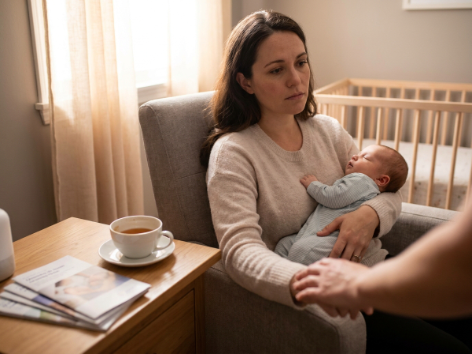
Bringing a baby into the world is often described as one of life’s happiest experiences. But for many mothers, the postpartum period can also bring overwhelming emotions, sadness, anxiety, exhaustion, and feelings they never expected. If you are struggling emotionally after childbirth, you are not alone—and you are not failing.
At Safe Space Wellness, we understand that mental health after pregnancy deserves just as much attention as physical recovery. While many women experience emotional ups and downs after birth, persistent feelings of sadness, hopelessness, anxiety, or disconnection may signal postpartum depression (PPD).
The good news is that postpartum depression is treatable. With support, care, and the right treatment approach, recovery is possible.
What Is Postpartum Depression?
Postpartum depression is a serious mental health condition that can develop after childbirth. It affects emotions, thoughts, energy levels, and the ability to function in daily life.
The word “postpartum” refers to the period after giving birth. While many mothers experience temporary emotional changes known as the baby blues, postpartum depression lasts longer and tends to be more intense.
PPD can affect how a mother feels about herself, her baby, and everyday responsibilities. Some women feel emotionally disconnected from their baby, while others feel overwhelmed with guilt, sadness, or fear.
It’s important to understand that postpartum depression is not a sign of weakness or bad parenting. It is a real and treatable medical condition.
Key Takeaways
- Postpartum depression is more than normal mood changes after childbirth.
- Symptoms may include sadness, anxiety, hopelessness, guilt, or emotional numbness.
- Hormonal changes, emotional stress, and life circumstances can contribute to PPD.
- Early treatment can improve outcomes for both mother and baby.
- Therapy, social support, medication, and self-care can help recovery.
Baby Blues vs. Postpartum Depression
Many new mothers experience emotional changes after childbirth. Sleep deprivation, hormonal shifts, and adjusting to caring for a newborn can feel overwhelming.
However, there is a difference between the baby blues and postpartum depression.
Baby Blues
The baby blues are common and usually appear within a few days after childbirth.
Symptoms may include:
- Mood swings
- Tearfulness
- Feeling overwhelmed
- Irritability
- Mild anxiety
- Trouble sleeping
These symptoms typically improve within a few days to two weeks.
Postpartum Depression
Postpartum depression lasts longer and can interfere with daily functioning and bonding with the baby.
Symptoms often continue for more than two weeks and may become more intense over time.
Signs and Symptoms of Postpartum Depression
Every mother experiences postpartum depression differently, but common symptoms include:
Emotional Symptoms
- Persistent sadness or hopelessness
- Feeling emotionally numb
- Excessive worry or anxiety
- Mood swings or irritability
- Feeling guilty, ashamed, or like a “bad mother”
- Feeling disconnected from your baby
Physical Symptoms
- Changes in appetite
- Sleeping too much or struggling to sleep
- Fatigue or lack of energy
- Difficulty concentrating
Behavioral Symptoms
- Withdrawal from friends and family
- Loss of interest in activities once enjoyed
- Difficulty caring for yourself or the baby
- Trouble bonding with the baby
In severe cases, some women may experience thoughts of self-harm or harming the baby. If this happens, seeking immediate professional support is essential.
What Causes Postpartum Depression?
There is no single cause of postpartum depression. Instead, several physical, emotional, and environmental factors may contribute.
Hormonal Changes After Childbirth
During pregnancy, hormones such as estrogen and progesterone rise significantly. After birth, these hormone levels suddenly drop.
This dramatic shift may affect mood and emotional stability.
Some women are more sensitive to hormonal changes, making them more vulnerable to depression symptoms.
Sleep Deprivation and Exhaustion
Newborn care often means interrupted sleep, exhaustion, and physical recovery from childbirth. Lack of rest can intensify emotional distress and make coping more difficult.
Emotional and Lifestyle Changes
Becoming a parent brings major life adjustments.
Some mothers struggle with:
- Identity changes
- Fear of not being a good parent
- Relationship stress
- Financial pressure
- Feeling isolated or unsupported
When multiple stressors combine, emotional overwhelm can become harder to manage.
Risk Factors for Postpartum Depression
Postpartum depression can affect anyone, but certain factors may increase the risk.
You may be more vulnerable if you:
- Have a history of depression or anxiety
- Experienced depression during pregnancy
- Had a traumatic or difficult birth
- Have limited emotional support
- Are experiencing financial or relationship stress
- Had an unplanned pregnancy
- Have a baby with health complications or premature birth
- Experienced trauma or abuse earlier in life
Having risk factors does not guarantee postpartum depression, but awareness can help with early intervention.
How Postpartum Depression Affects Daily Life
Postpartum depression can impact nearly every area of life.
Mother-Baby Bonding
Some mothers with PPD report feeling disconnected from their baby. This can create guilt and confusion, especially when expectations around motherhood feel different from reality.
Bonding may take time—and struggling emotionally does not mean you love your child any less.
Relationships and Family Life
Depression can affect communication, emotional closeness, and relationships with partners or family members.
Feelings of withdrawal or irritability may create misunderstandings if loved ones don’t understand what is happening.
Personal Well-Being
Simple tasks like showering, eating, resting, or responding to messages may suddenly feel exhausting.
Without support, emotional struggles may deepen over time.
Treatment Options for Postpartum Depression
The encouraging news is that postpartum depression is highly treatable.
Recovery looks different for everyone, and treatment may involve one or several approaches.
Therapy and Counseling
Therapy is one of the most effective treatments for postpartum depression.
Many therapists use Cognitive Behavioral Therapy (CBT) or talk therapy to help mothers:
- Process emotions
- Reduce guilt and self-criticism
- Build coping skills
- Manage anxious thoughts
- Improve emotional resilience
Having a safe, judgment-free place to talk can be incredibly healing.
Support Groups
Connecting with other mothers who understand postpartum struggles can reduce feelings of isolation.
Support groups offer reassurance, shared experiences, and emotional validation.
Medication
For moderate or severe postpartum depression, antidepressant medication may be recommended.
A healthcare provider can discuss treatment options, including medications considered compatible with breastfeeding.
Medication decisions should always be made with professional guidance.
Lifestyle Support and Self-Care
Self-care may feel impossible during early motherhood, but small steps can make a difference.
Helpful habits include:
- Resting whenever possible
- Eating nourishing meals
- Accepting help from loved ones
- Spending time outdoors
- Talking openly about emotions
- Avoiding unrealistic expectations of motherhood
Healing does not happen overnight, and support matters.
How Partners and Loved Ones Can Help
Postpartum depression affects families—not just mothers.
Partners, relatives, and friends can offer support by:
- Listening without judgment
- Helping with baby care or household tasks
- Encouraging rest and medical care
- Checking in emotionally
- Helping schedule therapy or appointments
Sometimes simply asking, “How are you really doing?” can make someone feel seen and supported.
When to Seek Professional Help
It may be time to seek help if:
- Symptoms last longer than two weeks
- You feel overwhelmed most days
- You struggle to care for yourself or your baby
- You feel disconnected from loved ones
- Anxiety or sadness feels constant
- You experience thoughts of self-harm or hopelessness
Seeking support is not failure—it is an act of care for yourself and your child.
Recovery and Hope After Postpartum Depression
Recovery from postpartum depression is possible.
With treatment, many women begin to feel emotionally stronger, more connected, and more confident in motherhood. Healing may take time, and progress is not always linear—but support can make a meaningful difference.
You do not have to navigate postpartum struggles alone.
Your emotional well-being matters just as much as your baby’s health.
Why Choose Safe Space Wellness?
At Safe Space Wellness, we believe mothers deserve compassion, understanding, and meaningful support during every stage of mental wellness.
We understand that postpartum emotions can feel confusing, isolating, and overwhelming. That’s why we provide trusted mental health education and supportive resources designed to help individuals better understand what they’re experiencing.
Our goal is to create a safe, judgment-free space where healing feels possible. Whether you are navigating postpartum depression, anxiety, emotional overwhelm, or major life transitions, Safe Space Wellness is here to help you feel informed, supported, and empowered.
Frequently Asked Questions
How do I know if I have postpartum depression?
If feelings of sadness, hopelessness, anxiety, emotional numbness, or overwhelm last longer than two weeks after childbirth, you may be experiencing postpartum depression. A healthcare professional can help provide an accurate assessment.
How long does postpartum depression last?
Postpartum depression can last for weeks, months, or longer if untreated. Early support and treatment often improve recovery outcomes.
Can postpartum depression go away on its own?
Some symptoms may improve over time, but untreated postpartum depression can become more severe. Professional support can make recovery easier and faster.
Can fathers or partners experience postpartum depression?
Yes. Partners can also experience emotional distress or depression after the arrival of a baby due to stress, sleep deprivation, and major life changes.
Is postpartum depression treatable?
Yes. Therapy, medication, support groups, self-care, and emotional support can all help treat postpartum depression. Recovery is possible with the right care.