
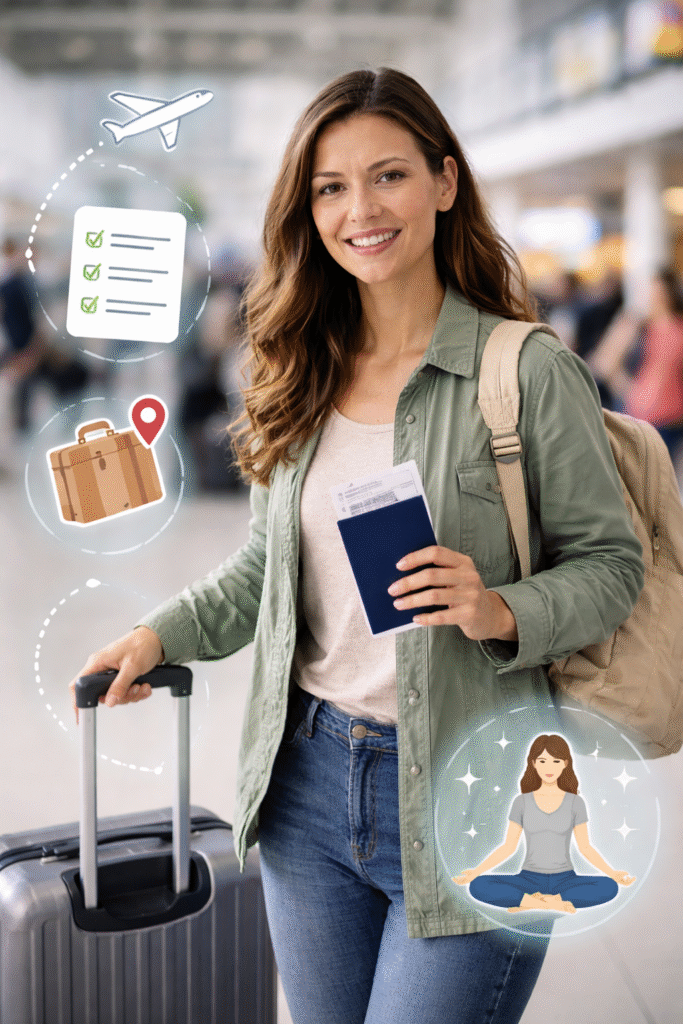
Travel can be one of life’s most enriching experiences. Exploring new places, meeting different people, and stepping outside of daily routines often provide opportunities for personal growth, relaxation, and adventure. However, for many individuals, the idea of traveling—especially to unfamiliar destinations—can trigger intense anxiety.
Travel anxiety is more common than many people realize. It may involve worries about flying, navigating unfamiliar environments, being away from home, losing control of routines, or encountering unexpected situations. While mild nervousness before a trip is normal, for some people, the anxiety becomes overwhelming enough to prevent them from traveling altogether.
Fortunately, travel anxiety is highly manageable with the right tools and strategies. By understanding the underlying causes of travel-related fear and learning practical coping techniques, individuals can regain confidence and begin to enjoy the journey again.
This guide explores 13 effective ways to overcome travel anxiety, helping you move from fear and uncertainty toward calmness, confidence, and a renewed sense of freedom.
Understanding Travel Anxiety
Travel anxiety is a form of situational anxiety that occurs when a person anticipates or experiences travel-related situations. These situations may include flying, driving long distances, navigating airports, staying in unfamiliar places, or being separated from familiar support systems.
The anxiety response may involve both emotional and physical symptoms such as:
- Racing thoughts
- Rapid heartbeat
- Muscle tension
- Sweating
- Shortness of breath
- Digestive discomfort
- Feelings of panic or dread
For some individuals, travel anxiety may be connected to other conditions such as generalized anxiety disorder, panic disorder, claustrophobia, or fear of flying.
In many cases, the anxiety stems from uncertainty and perceived lack of control. Travel often involves unfamiliar environments, unpredictable schedules, and temporary disruptions to routine—factors that can trigger stress responses in the brain.
Understanding that travel anxiety is a natural response to uncertainty is an important first step in learning how to manage it.
1. Identify the Source of Your Anxiety
The first step in overcoming travel anxiety is understanding what specifically triggers your fear.
Travel anxiety can arise from many different concerns, including:
- Fear of flying or transportation accidents
- Fear of being away from home
- Worry about navigating unfamiliar locations
- Concern about language barriers
- Fear of losing control of routines
- Health-related worries
Take time to reflect on the specific aspects of travel that cause distress. When the source of anxiety becomes clear, it becomes easier to develop targeted strategies to address it.
For example, someone who fears flying may benefit from learning about aircraft safety, while someone worried about unfamiliar environments may find reassurance in detailed trip planning.
2. Plan Your Trip in Advance
Uncertainty is one of the biggest drivers of anxiety. Detailed planning can significantly reduce stress by creating a sense of predictability and control.
Consider preparing the following before your trip:
- Transportation details
- Accommodation information
- Local transportation options
- Maps of important locations
- Emergency contact numbers
Knowing what to expect helps your mind relax. Even if unexpected changes occur, having a general structure for your trip can provide a reassuring sense of stability.
3. Start with Shorter Trips
If travel anxiety feels overwhelming, it can be helpful to start small.
Gradually exposing yourself to travel experiences helps build confidence over time.
Examples include:
- Taking short day trips to nearby towns
- Traveling for a single overnight stay
- Visiting familiar destinations before exploring new ones
This gradual approach allows the brain to learn that travel situations are safe and manageable.
4. Practice Relaxation Techniques
Relaxation techniques can help calm the nervous system when anxiety begins to rise.
Some effective techniques include:
Deep Breathing
Slow, controlled breathing signals the body to relax. Try inhaling slowly through your nose for four seconds, holding for four seconds, and exhaling through your mouth for six seconds.
Progressive Muscle Relaxation
This technique involves gradually tensing and relaxing different muscle groups to release physical tension.
Mindfulness Meditation
Mindfulness helps individuals focus on the present moment rather than worrying about future possibilities.
Practicing these techniques regularly can make them easier to use during travel situations.
5. Challenge Catastrophic Thoughts
Travel anxiety often involves catastrophic thinking, where the mind imagines worst-case scenarios.
Examples may include thoughts like:
- “Something terrible will happen on the plane.”
- “I won’t know what to do if something goes wrong.”
- “I’ll panic and embarrass myself.”
Cognitive behavioral techniques encourage individuals to challenge these thoughts by asking questions such as:
- What evidence supports this fear?
- How likely is this outcome?
- What is a more realistic interpretation?
Replacing catastrophic thoughts with balanced perspectives can reduce anxiety significantly.
6. Learn About Your Mode of Transportation
Fear often comes from a lack of understanding.
If flying causes anxiety, learning about aviation safety, aircraft design, and turbulence can provide reassurance. Many people are surprised to learn that commercial aviation is statistically one of the safest forms of transportation.
Similarly, understanding transportation systems—such as trains or buses—can reduce uncertainty and help travelers feel more confident.
7. Create a Travel Comfort Kit
Having familiar or comforting items available during travel can help reduce anxiety.
Consider packing a small comfort kit that includes:
- Noise-canceling headphones
- Relaxing music or podcasts
- A favorite book
- Snacks
- Aromatherapy oils
- Stress balls or fidget items
These items provide sensory comfort and distraction during stressful moments.
8. Maintain Healthy Habits
Physical well-being plays a major role in managing anxiety.
Before and during travel, prioritize:
- Adequate sleep
- Balanced nutrition
- Hydration
- Regular movement or stretching
Avoid excessive caffeine or alcohol, as both can increase anxiety symptoms.
Taking care of your physical health helps regulate the nervous system and improves emotional resilience.
9. Use Visualization Techniques
Visualization is a powerful mental exercise that involves imagining positive travel experiences before they happen.
Spend a few minutes picturing yourself:
- Arriving calmly at the airport
- Boarding transportation with confidence
- Enjoying your destination
- Successfully navigating unfamiliar environments
These mental rehearsals help prepare the brain for success and reduce fear associated with uncertainty.
10. Stay Connected with Support Systems
Travel anxiety can feel more manageable when individuals maintain connections with supportive people.
Before traveling, share your plans with trusted friends or family members. Knowing someone is aware of your journey can provide reassurance.
During travel, regular check-ins through messages or calls can help maintain a sense of emotional support.
11. Use Technology to Reduce Uncertainty
Modern technology provides numerous tools that can help travelers feel more prepared and secure.
Helpful resources include:
- Navigation apps for directions
- Translation apps for language barriers
- Travel itinerary apps
- Airline or transportation tracking apps
These tools provide real-time information that reduces uncertainty and helps travelers stay organized.
12. Practice Gradual Exposure to Travel Situations
Gradual exposure is one of the most effective methods for overcoming anxiety.
Instead of avoiding travel entirely, slowly increase exposure to travel-related situations.
For example:
- Visit an airport without flying
- Take a short flight before attempting longer trips
- Practice navigating public transportation
Each positive experience helps retrain the brain to associate travel with safety rather than fear.
13. Consider Professional Support
If travel anxiety significantly interferes with your ability to travel or causes persistent distress, professional therapy can be extremely beneficial.
Therapeutic approaches such as Cognitive Behavioral Therapy (CBT) and Exposure Therapy are highly effective for anxiety-related challenges.
Therapists help individuals:
- Identify the underlying causes of anxiety
- Challenge fearful thought patterns
- Develop coping strategies
- Gradually face travel-related fears
With guidance from a trained professional, many individuals experience substantial improvement and regain confidence in their ability to travel.
The Role of Mindfulness in Travel Anxiety
Mindfulness practices can play a powerful role in managing travel-related stress.
By focusing attention on the present moment rather than future worries, mindfulness helps individuals break cycles of anxious thinking.
Simple mindfulness practices during travel include:
- Paying attention to breathing
- Observing surroundings without judgment
- Listening to calming sounds
- Noticing physical sensations
These practices encourage relaxation and help regulate emotional responses.
Building Long-Term Confidence with Travel
Overcoming travel anxiety is often a gradual process rather than an immediate transformation.
Each positive travel experience reinforces confidence and reduces fear. Even small steps—such as successfully navigating a new location or completing a short trip—can build momentum toward greater freedom.
With time, individuals often discover that travel becomes less intimidating and more enjoyable.
Conclusion
Travel anxiety can feel overwhelming, but it does not have to control your life. With the right strategies, preparation, and support, it is possible to reduce fear and develop confidence in navigating new experiences.
By identifying the sources of anxiety, practicing relaxation techniques, challenging fearful thoughts, and gradually exposing yourself to travel situations, you can transform travel from a source of stress into an opportunity for growth and adventure.
Travel has the potential to broaden perspectives, strengthen resilience, and create meaningful memories. With patience and supportive strategies, even those who once feared travel can learn to embrace the journey with greater calm and confidence.
The world is full of experiences waiting to be discovered—and with the right tools, you can begin exploring them with peace of mind.